The Business Post 21st National Health Summit: Pioneering Data-Driven Healthcare Solutions
On February 6, 2025, HN had the privilege of participating in the 21st National Health Summit in Dublin, Ireland. This prestigious event brought together healthcare leaders, practitioners, and innovators from across the country and beyond to explore cutting-edge ways to transform healthcare planning, delivery, and patient experience. The summit provided a unique platform for sharing insights, discussing challenges, and envisioning the future of healthcare in Ireland.
Key Challenges Addressed
The summit addressed several critical challenges facing the Irish healthcare system, including the rising inequality in access to Primary Care between urban and rural populations in Ireland.
According to the Central Statistics Office Census 2022, around 35% of Ireland’s population live in rural areas; however, only 15% of GPs are located in rural practices, and this number is declining rapidly. The current ratio of GPs to the general population falls short of ideal standards, with less than one GP available per thousand residents. This shortage is putting immense pressure on the existing workforce. As Ireland grapples with these challenges, the need for comprehensive strategies to recruit, retain, and support GPs has never been more urgent. This shortage is most acute in areas such as the Midlands, the Western seaboard, and isolated regions like the Iveragh Peninsula in Kerry.
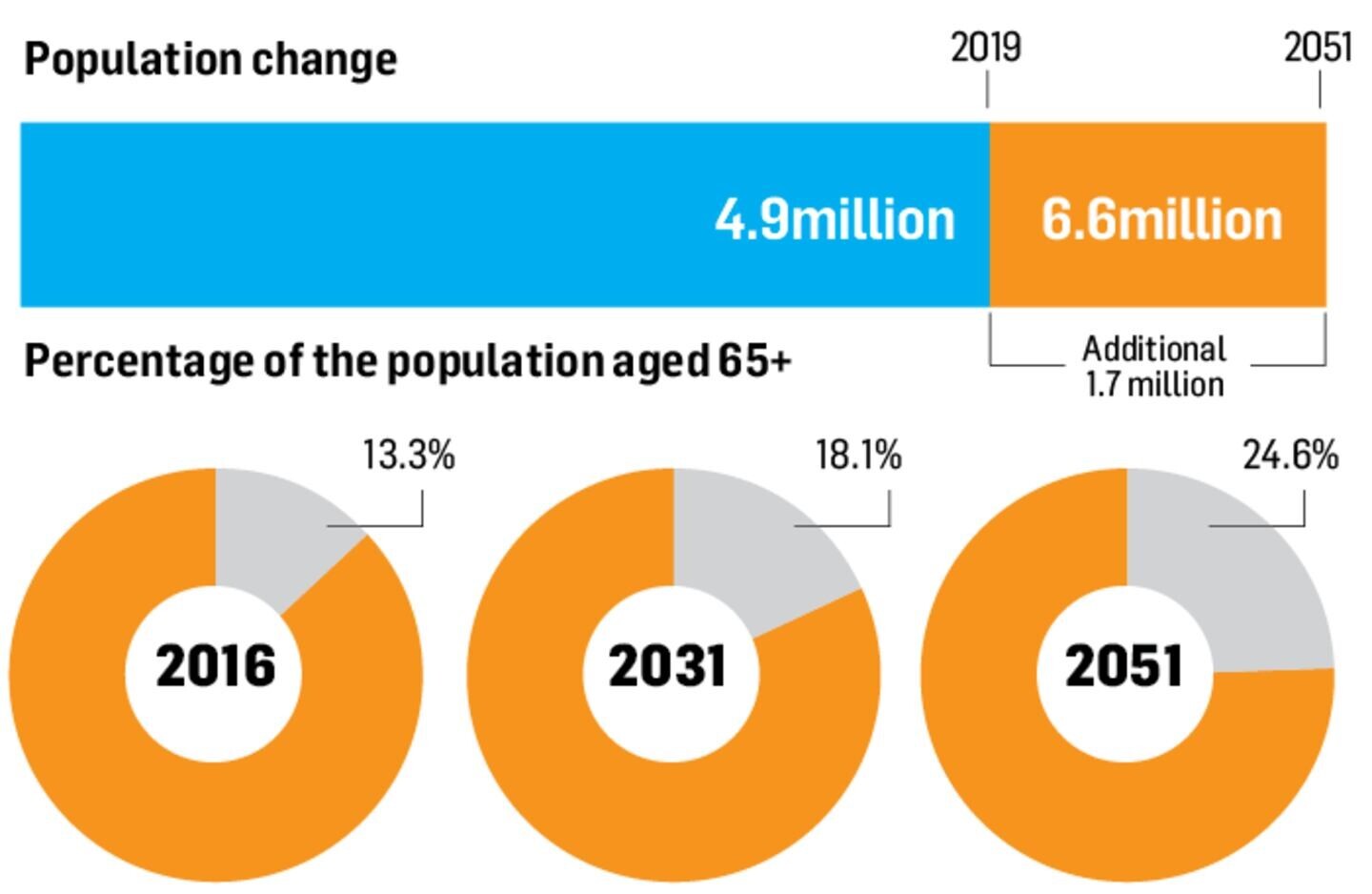
The summit also focused on Ireland’s rapidly growing elderly population. By 2051, the number of over-65s in Ireland is expected to reach 6.6 million, presenting unique healthcare demands that require innovative solutions. This demographic shift underscores the urgent need for more efficient, proactive, and patient-centered approaches to healthcare delivery.
Beyond the pressing concerns of an ageing population, the summit also tackled other key topics crucial to the evolution of Irish healthcare, including the ongoing digital transformation of healthcare services, addressing workforce shortages and burnout within the healthcare sector, and enhancing mental health services and support for the population.
The State of Digital: Where Do We Stand?
One of the most insightful discussions took place between Dr. Chris Laing, CEO of UCLPartners and Damien McCallion, Chief Technology and Transformation Officer & Deputy CEO of the HSE. Their fireside chat, titled "The State of Digital: Where Do We Stand?", delved into the transformative potential of healthcare data.

Dr. Laing and Mr. McCallion explored how we can leverage this data to identify major patient risks and develop preventative interventions. This topic aligns closely with HN's mission and capabilities. They discussed the challenges of data integration across different healthcare settings and the potential of AI and machine learning in risk prediction and personalised care planning.
Dr. Chris Laing, highlighted the groundbreaking "AI for UEC" (Urgent and Emergency Care) programme, a collaborative initiative involving UCLPartners, Health Navigator, and NHS North East London.
This three-year programme leverages advanced AI screening technology combined with personalised clinical coaching to proactively identify patients at high risk of requiring unplanned emergency care. By offering targeted support and self-management techniques, the initiative aims to improve outcomes for individuals with long-term conditions, such as asthma, while alleviating pressure on urgent care services.
Dr. Laing described the programme as a template for how modern technology can deliver predictive, proactive, and preventive care tailored to local communities. With forecasts predicting a reduction in A&E visits annually and significant savings in unplanned hospital bed days, this initiative represents a transformative step in sustainable healthcare delivery and aligns with the NHS's prevention priorities.
Other key takeaways from this session emphasised the importance of data standardisation and interoperability, underscored the need for robust data governance and privacy protection measures, highlighted the potential of predictive analytics in identifying high-risk patients, and illuminated the pivotal role of digital health in enabling more proactive and preventative care models.
HN's Relevance and Potential Impact
HN's solutions are particularly relevant to the challenges and opportunities discussed at the summit. Our data-driven approach to patient risk identification and management aligns perfectly with Ireland's push towards more proactive and preventative healthcare.
The Sláintecare initiative, spearheaded by the HSE and Ireland's Department of Health, is a transformative strategy aimed at reforming the country’s healthcare system to prioritise proactive and preventative care. At its core, Sláintecare seeks to ensure that every individual has equal access to healthcare based on need. A key focus of the initiative is enabling people to stay healthy in their own homes and communities for as long as possible. This is achieved through enhanced primary and community care services, reducing reliance on hospitals and long-term residential care. By focusing on early intervention and community-based care, Sláintecare aims to decrease hospital admissions, improve population health outcomes, and create a sustainable healthcare system for future generations.
HN’s approach to overcoming inequalities in healthcare focuses on leveraging data-driven insights to address the root causes of unplanned care consumption. Inequalities, arising from differences in access to primary care and geographic disparities between urban and rural populations, often leave vulnerable groups with limited access to preventative care and early interventions. Primary care access is becoming increasingly problematic in rural areas where GPs are retiring faster than they are being replaced.
By utilising advanced analytics and predictive modelling, HN identifies at-risk individuals who are most likely to experience acute health episodes. This allows healthcare providers to intervene early with targeted, cost-effective measures that prevent avoidable hospital admissions. For example, HN’s tools enable the delivery of personalised care plans and proactive support for individuals with chronic conditions, which aligns with Sláintecare’s vision of providing care in the right place at the right time.
HN’s work also addresses the social determinants of health by ensuring that underserved communities receive equitable access to healthcare resources. This approach not only reduces reliance on emergency services but also helps bridge the gap between urban and rural healthcare provision.
By integrating these strategies into Ireland’s evolving healthcare framework, HN contributes to creating a more equitable system that supports population health management and reduces barriers to care.
By leveraging advanced technologies such as AI, HN can help Irish healthcare providers:
- Identify high-risk patients early: Our predictive analytics can help spot potential health issues before they escalate, enabling timely interventions.
- Develop targeted interventions: By analysing comprehensive patient data, we can help design personalised care plans that address individual risk factors and needs through our clinical coaching.
- Optimise resource allocation: Our solutions can help healthcare providers allocate their resources more efficiently, ensuring that high-risk patients receive the care they need while reducing unnecessary hospitalisations.
- Improve overall patient outcomes: By enabling more proactive and personalised care, we can help improve patient outcomes and quality of life, particularly for those with chronic conditions.
- Support remote monitoring: Our telephone-based clinical coaching solution can facilitate effective remote patient monitoring, particularly beneficial for Ireland's rural populations.
As Ireland faces the challenge of an ageing population and the need for more efficient, patient-centred care, HN's solutions offer a pathway to transform healthcare delivery. Our team left the summit inspired and more committed than ever to contributing to Ireland's healthcare transformation journey.
Looking Ahead
The 21st National Health Summit provided a wealth of insights and opportunities for collaboration. As we reflect on the discussions and presentations, we are excited about the potential for HN to play a significant role in shaping the future of healthcare in Ireland.
We look forward to further discussions with Irish healthcare leaders and practitioners on how HN can support their vision for a more responsive, efficient, and patient-centred healthcare system. By combining our expertise in data analytics and AI with Ireland's commitment to healthcare innovation, we believe we can make a substantial impact on the health and well-being of the Irish population.
The challenges ahead are significant, but so are the opportunities. With continued collaboration, innovation, and a shared commitment to improving patient care, we are confident that together we can build a healthier future for Ireland.